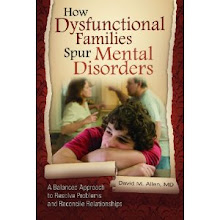
My model of the primary causes of borderline personality disorder (BPD) - parents with a severe psychodynamic conflict over having children and who give mixed messages to their children - has only been written about by a couple of other psychotherapy researchers. I am currently working on a journal article with Dr. Mark Ruffalo about the effect of the double binds these children are faced with on their future relationships - especially ones with anyone who is trying to "fix" them like a narcissistic member of the opposite sex or a therapist.
The above self help book is in its third edition and has been around for years. When I first saw the title I thought it might be the first book in the popular press to refer to the messages sent by a parent to a child (or adult child) that I've been talking about.
When I finally got around to reading it, however, it was more about the message people with BPD send out to other adults including therapists. In my model, the adults with the disorder do indeed do unto others that which is being done to them.
The book does talk about how such a conflict may be passed downs from one generation to another but only briefly. However, it is designed primarily for is both people with the disorder and their families.
The author does an excellent job of pointing out the pro's and con's of current theories and treatments used by therapists. He illustrates them with case studies. There is a lot of poor research out there, as well as a myriad of different professional opinions about various aspects of the disorder. The book does a pretty good job of separating the wheat from the chaff.
The author also looks at some of the same societal and cultural changes in recent years that I have written about, which likely play a part in the increased incidence of the disorder. "A modern parent, emotionally detached and alienated - yet at the same time pampering and over indulgent - becomes a likely candidate to mold future borderline personalities" (p 88).
I strongly recommend the book for anyone who has the disorder, or who has been dealing with someone with the disorder.